
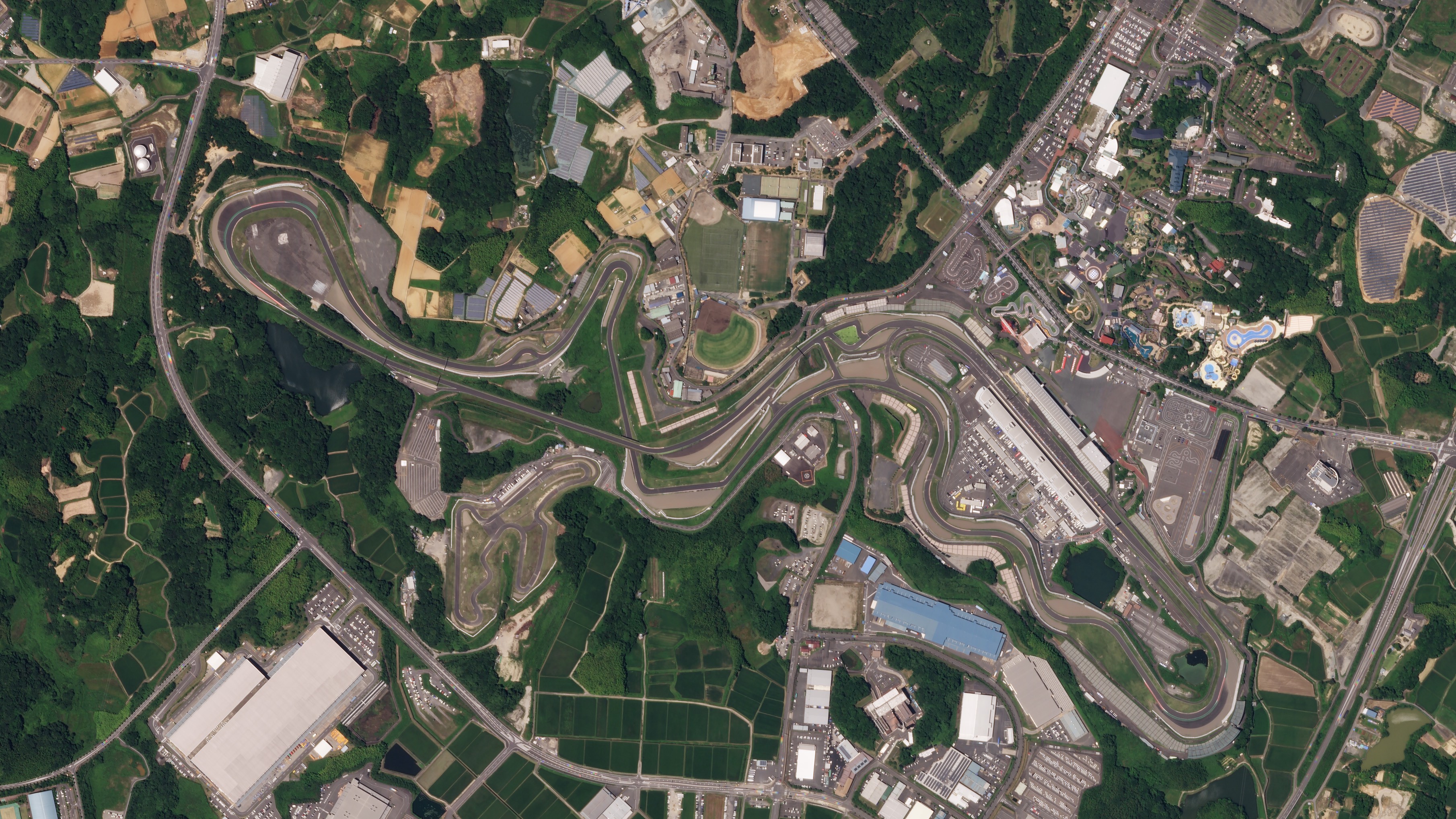
There is nowhere in the world quite like Suzuka. The only figure-eight circuit in F1, where the track crosses over itself via a bridge, it's the drivers' favourite for pure driving challenge. But what makes Suzuka truly special is the fans — Japanese F1 culture is the most devoted, creative, and respectful in the world.
The circuit
Suzuka's layout is a masterpiece of circuit design. The first sector features the legendary Esses — a sequence of high-speed linked corners that separate the great drivers from the good. Degner curves drop downhill through a blind entry, and the back section builds through the hairpin, Spoon curve, and the fearsome 130R — a 300km/h left-hander that still demands respect from every driver on the grid.
The figure-eight means the first sector runs directly above the back straight, creating a unique multi-level viewing experience. You can watch cars at two different points of the lap from one spot.
Japanese fan culture
Japanese F1 fans are legendary for:
- Handmade helmet replicas — Fans create elaborate cardboard or papier-mache versions of their favourite driver's helmet, wearing them proudly in grandstands.
- Cosplay — Full race suit recreations, team uniforms, even dressing as the cars themselves.
- Organisation — Fans queue patiently, clean up after themselves, and follow every instruction. The contrast with European GP crowds is stark.
- Gifts — Japanese fans leave gifts at team hospitality areas — artwork, origami, hand-drawn portraits of drivers.
- Rain or shine — Rain delays that would empty grandstands in Europe see Japanese fans sitting calmly with umbrellas, waiting patiently.
The fanzone at Suzuka operates more like a festival, with merchandise stalls, food vendors, and entertainment running all weekend. Teams engage with fans extensively — driver signing sessions are hugely popular.
Getting there
Most visitors fly into Nagoya (Chubu Centrair International Airport, NGO) or Osaka (Kansai International Airport, KIX). From Nagoya, the Kintetsu Limited Express train reaches Shiroko station in about 50 minutes, from where shuttle buses run to the circuit. From Osaka, it's about 2-2.5 hours by train.
Japan's rail system is incredibly efficient — a Japan Rail Pass covers most of the journey and is highly recommended if you're exploring beyond the race.
Where to stay
Suzuka itself has limited accommodation:
- Nagoya — Best option for hotels, 50 minutes to the circuit, excellent food scene.
- Osaka — Further but worth combining into a wider Japan trip, incredible street food in Dotonbori.
- Suzuka/Yokkaichi — Limited business hotels near the circuit, functional but basic.
Book early — rooms near Suzuka sell out months ahead. Many fans stay in Nagoya and train in each day.
Food
Japanese food culture is extraordinary:
- At the circuit — Festival-quality food stalls serving ramen, takoyaki, yakitori, onigiri, and matcha treats. Circuit food in Japan is genuinely delicious.
- Nagoya specialities — Miso katsu, hitsumabushi (grilled eel), and tebasaki chicken wings.
- Convenience stores — Japanese 7-Elevens and Lawsons serve food that would be restaurant-quality elsewhere. Onigiri, sandwiches, and hot meals from €2-5.
Budget
Japan is more affordable than its reputation suggests:
- Grandstand ticket (weekend): ¥40,000-¥70,000 (€250-€440)
- Hotel (3 nights, Nagoya): ¥30,000-¥60,000 (€190-€380)
- Food: ¥10,000-¥20,000 (€65-€125)
- Transport (rail): ¥5,000-¥15,000 (€30-€95)
- Total: €535-€1,040
That makes Suzuka one of F1's best-value overseas races.
Beyond the race
Japan deserves at least a week. From Nagoya:
- Kyoto — Temples, bamboo groves, geisha district (35 minutes by Shinkansen).
- Tokyo — The ultimate city (1.5 hours by Shinkansen from Nagoya).
- Takayama — Mountain town with preserved Edo-period streets and Hida beef.
- Ise Grand Shrine — Japan's holiest Shinto shrine, near Suzuka.
The verdict
Suzuka combines F1's best circuit with the world's best fans. The racing is consistently dramatic, the fan culture is heartwarming, and Japan as a destination is extraordinary. For many F1 fans who've made the trip, Suzuka is the race that turned them from casual viewers into lifelong devotees.